

Waste transport, a key part of the circular economy
08/17/2026
Traceability is one of the most critical aspects of waste transport
Transport has become a strategic part of the circular economy, not only because of its logistical function, but also because of its role in traceability, regulatory compliance and environmental efficiency. Neus Ferrer, Managing Director of Transports Porqueres, discusses the main challenges facing the sector, from the shortage of drivers to fragmented documentation requirements across Europe, and advocates for an increasingly specialised, digitalised model closely connected to waste recovery.
Within the circular economy, transport plays a key role. It is not simply about moving materials from one place to another, but about ensuring they reach the appropriate waste operator or treatment facility in the right condition, at the right time and with the correct documentation, so that they can be recovered and reintroduced into the production system.
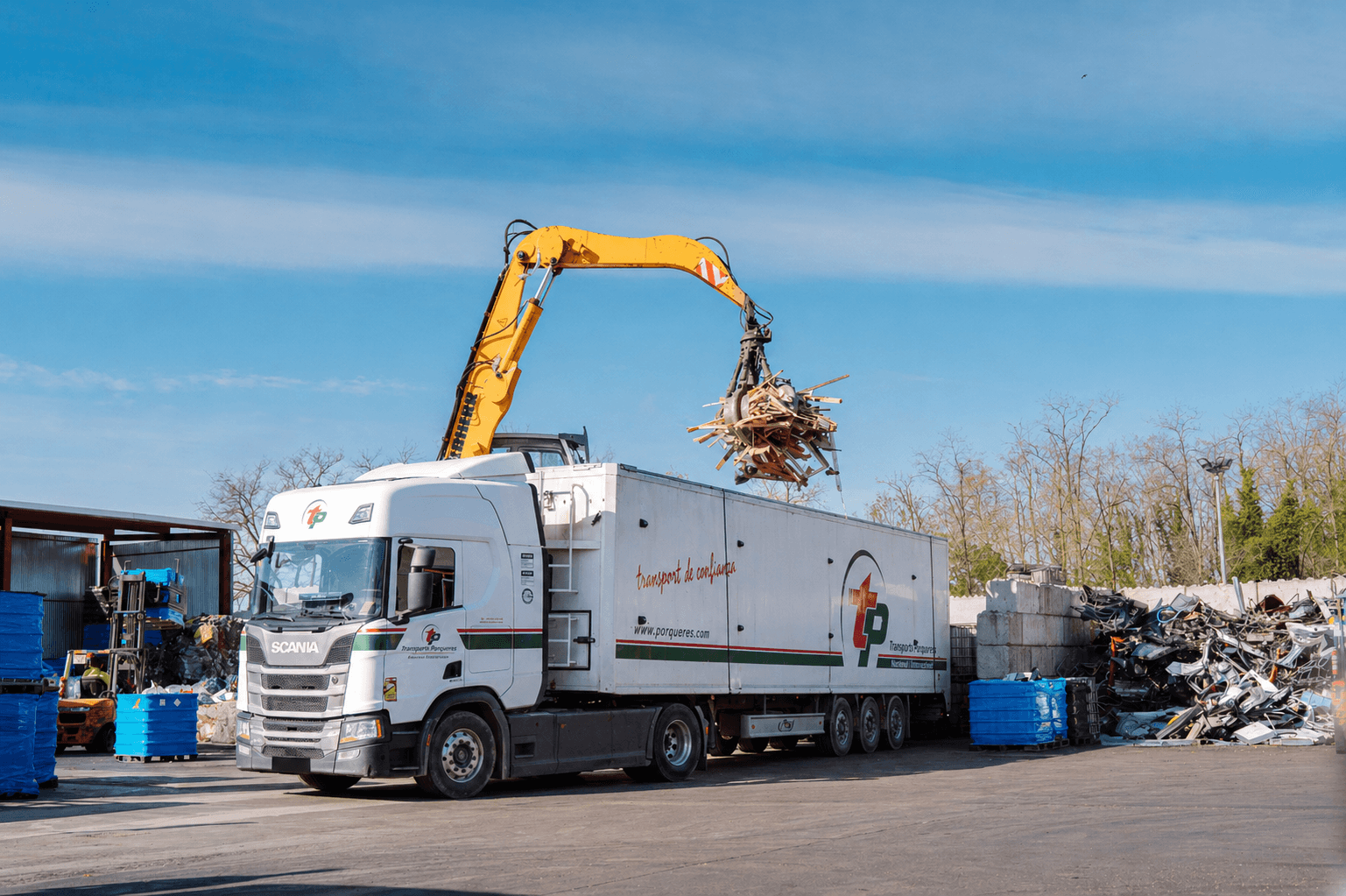
In this context, Transports Porqueres has established itself as a specialist operator in the transport of non-hazardous waste and recyclable materials, working both nationally and across Europe. Neus Ferrer, explains that the sector is becoming increasingly demanding from a technical, documentary and operational perspective. “In today’s circular economy, transport is the point at which the transition from waste to resource actually takes place. If that flow is disrupted, the entire system becomes less efficient,” she says.
From this perspective, Neus describes Transports Porqueres as “a logistics partner specialised in waste transport”. The company mainly operates regular, recurring routes, providing greater stability to material flows and allowing it to anticipate operational issues more effectively. “Our focus is on providing a reliable service that fully complies with regulations, while also adapting to the day-to-day realities of the sector: planning changes, congestion at treatment facilities or variations in the material. That is where we add value, by ensuring continuity and the ability to respond quickly,” she explains.
The company’s activity is primarily focused on non-hazardous waste, including industrial, general, organic, ferrous and non-ferrous waste. These are common flows within the recycling and recovery industry, including paper, plastics, wood, solid recovered fuel (SRF), scrap metal, aluminium and copper, among others, all of which require continuity and the capacity to handle large volumes. “We work with recycling plants and transfer facilities, as well as with industries that use waste as a resource, for example for energy recovery or in foundries,” Neus explains.
To meet the requirements of these operations, Transports Porqueres uses equipment designed to handle large volumes, including 95 m³ moving-floor trailers, tautliners and tipping trailers. This specialisation improves efficiency in continuous flows between producers and final destinations, particularly where regularity and loading capacity are critical. The company operates throughout Spain and in several European markets, following the routes along which materials are actually being recovered. In Neus’s words, this means “adapting routes and operations to the type of waste and its final destination rather than applying a standard model”.
One of the central issues in this activity is traceability, an increasingly demanding aspect of waste transport. The Managing Director of Transports Porqueres is clear on this point: “Traceability is one of the most sensitive areas of waste transport because several parties are involved, and each of them works with different systems.” To manage this complexity, the company combines its own tools with close operational monitoring, ensuring that all information remains consistent throughout every stage of the transport process.
Internally, the company uses its own ERP system to organise routes and vehicle assignments and to monitor vehicle locations in real time. At the same time, it has established a two-stage document verification process. The operations team checks in advance that each transport complies with the applicable requirements according to the type of waste, origin, destination and relevant regulations, while the administration team ensures that each operation is properly documented and supported by the required paperwork.
However, Neus points out that the main obstacle remains regulatory and documentary fragmentation. “The biggest challenge is still fragmentation: documentation requirements vary depending on the Spanish autonomous community or the country, and there is no harmonised system,” she explains. To avoid issues, the company carries out checks in advance and maintains direct communication with both the customer and the waste operator. This lack of harmonisation requires particularly strict controls and adds an administrative burden to an activity that already demands a high degree of responsiveness.
At the same time, the sector is gradually moving towards greater digitalisation. Although a significant proportion of documentation is still handled on paper, Neus believes major changes will take place in the short term. For cross-border shipments, Annex VII documentation will move towards digital management through platforms such as DIWASS, while the CMR consignment note and other transport control documents will increasingly shift towards e-CMR. In the medium term, she believes this transition should improve traceability and reduce errors, although companies will also have to adapt their internal systems and processes to a far more digital environment.
Beyond documentation, waste transport involves very specific operational challenges compared with other types of freight. Neus identifies one as particularly critical: the shortage of drivers. “One of the biggest challenges today is the lack of drivers, a structural issue affecting the entire transport sector that has become increasingly serious in recent years,” she warns. This is compounded by the difficulty of attracting a new generation into the profession and by the working conditions associated with the job, resulting in fewer professionals being available. In waste transport, she adds, the problem is even more pronounced, as “not everyone is willing to work in this type of activity”. Faced with this situation, the company has focused on stability and maintaining its own team, looking after its drivers and operating a solid fleet in order to guarantee continuity of service.
The challenges, however, do not end there. Neus notes that day-to-day operations bring additional pressure: last-minute changes, waiting times at facilities, congestion and constant planning adjustments that require teams to react quickly and reorganise operations as circumstances change. “The key is knowing how to adapt and respond quickly,” Neus explains. The company manages these changes through flexible operations, direct communication with customers and a network of partners that enables it to respond rapidly. “This is a sector that requires real-time solutions, and that is exactly what we work to provide,” she says.
At international level, Neus confirms a clear increase in intra-European movements of recyclable materials, in line with the sector’s broader shift towards greater circulation of waste within Europe for recovery purposes. “Europe is increasingly operating as a system in which waste moves to wherever genuine treatment capacity is available,” she says. In this context, Transports Porqueres regularly operates between Spain and France, northern Italy, Germany and the Benelux countries, handling both exports and imports, although certain flows involve more inbound than outbound movements.
These movements notably include the import of metals such as scrap, aluminium and copper from different European countries for recovery or use in foundries. The company also transports solid recovered fuel (SRF), a material that has been well established in northern Europe for many years and which, according to Neus, “has been developing and growing in southern Europe in recent years due to its use in energy recovery”, as well as other flows such as paper, cardboard and wood, depending on market needs.
The company’s Managing Director stresses that these flows can change considerably and depend on factors such as material prices, industrial demand and regulatory developments. This volatility means that the destination of a particular waste stream can change within a short period of time, requiring routes and planning to be adjusted continuously. Added to this is, once again, the lack of harmonisation between countries and administrative procedures that can significantly extend processing times. “Requirements and procedures are not harmonised, and that adds complexity to transport,” she notes. In this environment of increasing control and tighter requirements, transport is no longer simply the physical movement of materials; it has become an active part of managing waste flows across Europe.
Regulatory developments in both environmental policy and transport are having a direct impact on how the sector is organised. According to Neus, this regulatory pressure has two sides. On the one hand, it encourages greater professionalisation and helps guarantee quality and safety standards; on the other, it increases the administrative burden, reduces operational flexibility and raises management costs. “In this environment, the companies that adapt best are those that combine technical expertise, strong internal organisation and the ability to respond quickly,” she says.
Sustainability is another key pillar of Transports Porqueres’ strategy. “Sustainability is part of our values,” Neus says. In practice, this commitment is reflected primarily in operational optimisation: route planning, reducing empty mileage and maximising payload. In waste transport, she notes, improving vehicle utilisation has a particularly significant direct impact because it reduces emissions per tonne transported.
These measures are complemented by the progressive renewal of the company’s fleet. All of its trucks comply with the Euro 6 emissions standard, and the company operates according to environmental standards such as ISO 14001, helping to embed continuous improvement within its processes. In addition, Transports Porqueres was awarded the EcoVadis Gold Medal in 2024, placing it among the top 5% of companies assessed for sustainability performance. “Our objective is clear: to reduce our environmental impact while maintaining a competitive and reliable service,” Neus concludes.
Key quotes
“We work with recycling plants and transfer facilities, as well as with industries that use waste as a resource, for example for energy recovery or in foundries.”
“The biggest challenge is still the lack of a common approach: documentation requirements vary depending on the Spanish autonomous community or the country, and there is no harmonised system.”
“One of the biggest challenges today is the lack of drivers, a structural issue affecting the entire transport sector that has become increasingly serious in recent years.”
“Europe is increasingly operating as a system in which waste moves to wherever genuine treatment capacity is available.”
Tags
How can we help?
Stay informed


Related News
10/7/2025
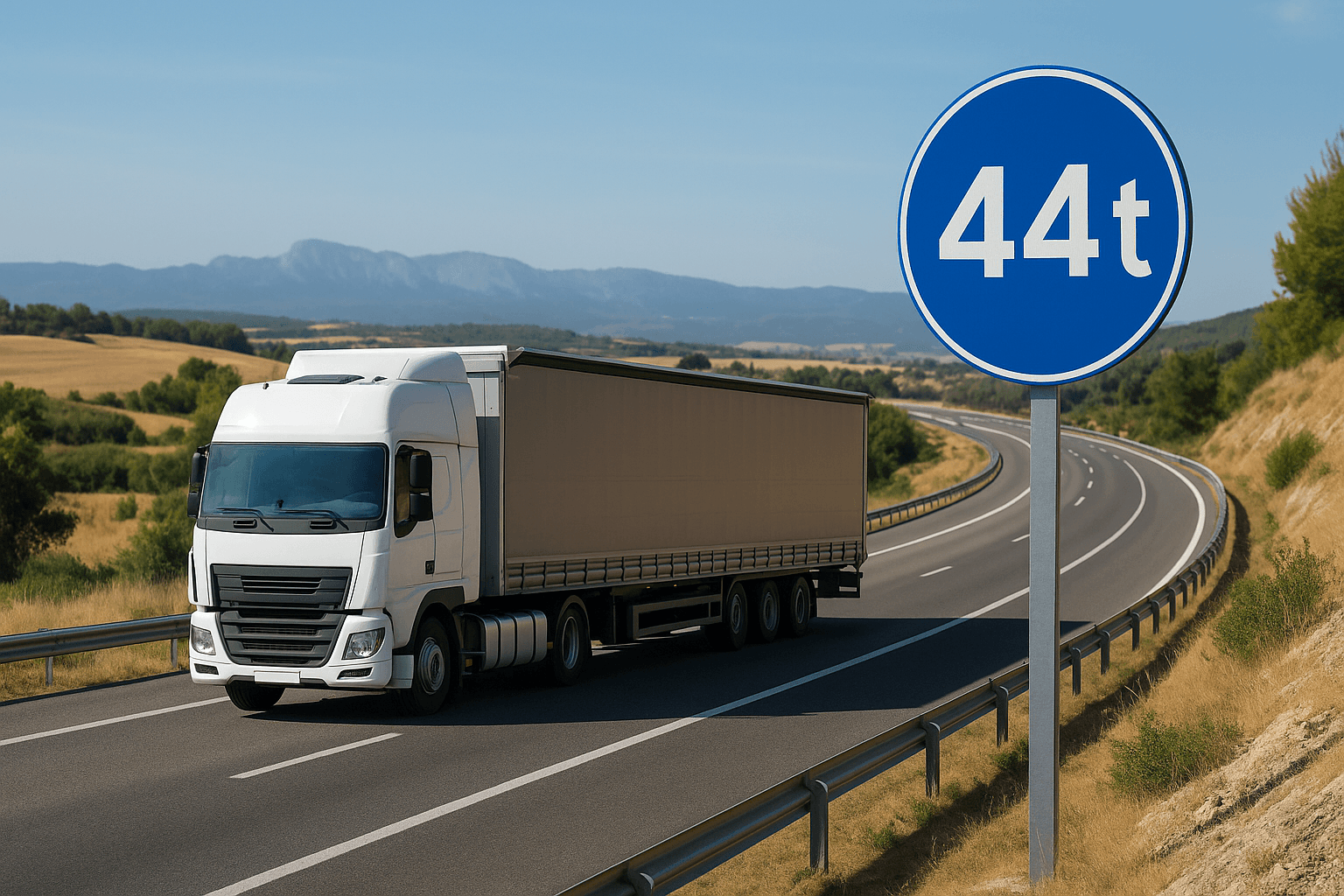
NEW REGULATION IN SPAIN: AUTHORIZATION TO TRANSPORT UP TO 44 TONNES
A measure to improve efficiency and reduce emissions in domestic road transport
The Spanish Government has approved Order PJC/780/2025, published in the Boletín Oficial del Estado (Official State Gazette) on July 23, ...

11/13/2021
New amendments to the R.G. of circulation, the R. G. of vehicles and the R. G. of drivers.
The Council of Ministers has just approved two Royal Decrees modifying, on the one hand, both the General Road Traffic Regulations and the General Vehicle Regulations and, on the other, the General Driver Regulations. If you want to find out about all the changes, how they affect you and when they come into force, don't miss this new article we ...
10/7/2025
NEW REGULATION IN SPAIN: AUTHORIZATION TO TRANSPORT UP TO 44 TONNES
A measure to improve efficiency and reduce emissions in domestic road transport
The Spanish Government has approved Order PJC/780/2025, published in the Boletín Oficial del Estado (Official State Gazette) on July 23, ...
11/13/2021
New amendments to the R.G. of circulation, the R. G. of vehicles and the R. G. of drivers.
The Council of Ministers has just approved two Royal Decrees modifying, on the one hand, both the General Road Traffic Regulations and the General Vehicle Regulations and, on the other, the General Driver Regulations. If you want to find out about all the changes, how they affect you and when they come into force, don't miss this new article we ...
10/7/2025
NEW REGULATION IN SPAIN: AUTHORIZATION TO TRANSPORT UP TO 44 TONNES
A measure to improve efficiency and reduce emissions in domestic road transport
The Spanish Government has approved Order PJC/780/2025, published in the Boletín Oficial del Estado (Official State Gazette) on July 23, ...